
"fruit pulp"
4000 article(s) found
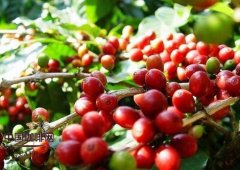
Honey-treated boutique coffee beans different coffee flavors in Costa Rica
Honey treatment is a kind of treatment between sun treatment and water washing. It keeps the coffee clean by washing, and because it is dried in the sun together with the pulp mucosa, it greatly increases the sweetness and caramel flavor of the coffee (the sugar content of the pulp mucosa is extremely high). Honey treatment first appeared in Costa Rica in Central America, mainly because of some high elevations in Central America.

Bright and refreshing Brazilian queen estate yellow bourbon boutique coffee bean varieties planting market price profile
After removing the pulp of the coffee fruit, there is still a part of the pulp mucilage layer in the sheepskin shell. At this time, these coffee fruits still with the mucilage layer are placed on the terrace to dry, so that the moisture content is reduced to about 20%. At this stage, the coffee fruit absorbs its own starch component, but there is no full-sun method. The disadvantage of not being able to control the flavor of the drying process is because these residual mucilage layers

Coffee cultivation and initial processing of Ethiopian Coffee characteristic species manors in producing areas
Coffee cultivation and primary processing characteristics of Ethiopian coffee-producing areas manor sun treatment is very demanding on the climate, if you encounter a rainy day in the sun process, it will make the beans moist and moldy. When drying raw beans in the sun, the color is yellow, and the center will be brown after baking, rather than the white of washed beans. Sun-dried beans have relatively better sweetness and mellow thickness, and sour taste
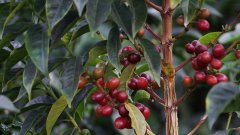
What is honey treated coffee beans treated with honey in different ways
Honey treatment is a kind of treatment between sun treatment and water washing. It keeps the coffee clean by washing, and because it is dried in the sun together with the pulp mucosa, it greatly increases the sweetness and caramel flavor of the coffee (the sugar content of the pulp mucosa is extremely high). Honey treatment first appeared in Costa Rica in Central America, mainly because of some high elevations in Central America.
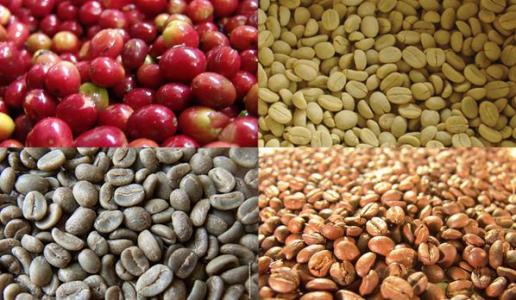
Flavor characteristics of Brazilian coffee beans in Brazilian half-sun treatment story of Brazilian coffee beans
Description of flavor acidity of sun treatment and Brazilian half-sun A brief introduction to the acidity of coffee fields in Brazil, most of them are harvested mechanically in order to achieve economic benefits. When 75% of the coffee fruit in the coffee garden turns red, it starts to be harvested mechanically, followed by the same pre-operation of washing, moving into the sink to remove the floating beans, sifting out the sunken beans, and then using a large pulp screening machine to dig out the pulp and take it out.

How to cultivate coffee trees? The planting conditions of coffee trees? Common sense of coffee beans?
Professional coffee knowledge exchange more coffee bean information please follow the coffee workshop (Wechat official account cafe_style) this time we will introduce the whole process of coffee beans from planting to picking, so that we can fully understand the process of coffee beans from scratch. The growth process of coffee the seedling stage is the period from the germination of seeds (or cuttings, grafting) to the emergence of seedlings (nursery nursery)
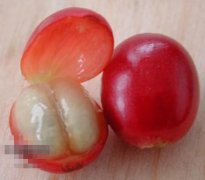
Secret Book of Coffee Bean processing
After the fruit is harvested, the outer skin, pulp, endocarp and silver skin should be removed before shipping.
A brief introduction to the taste treatment method of the difference between washing and solarization of Kenyan coffee
There are two types of coffee farms in Kenya, one is a large planting farm covering an area of more than five acres, but the average elevation is low, as far as Kenyan coffee is concerned, the coffee bean quality of the big farm is only medium. The best Kenyan beans come from small farms, mostly in the foothills or fire above 5,000 to 6,000 feet.

Introduction of water washing method for the treatment of high-quality coffee and raw beans
Coffee washing began in the mid-18th century. In the washing process, the pulp of the coffee fruit (red cherry) is first removed, then the residual mucous membrane on the inner pericarp is removed by a fermentation tank, and the beans are washed and dried. The difference between the non-washing method and the water washing method is that the non-washing method is to remove the pulp after drying, while the washing method is to remove the pulp before drying. Washing can pass every step.
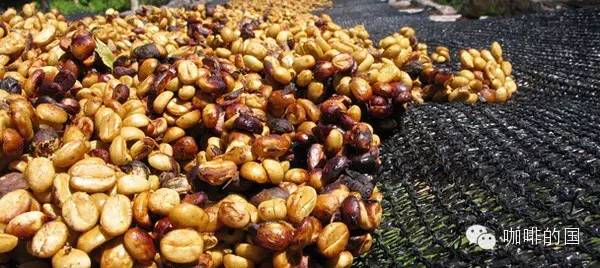
What is honey treatment? SHB Coffee treated with Red Honey at Fire Phoenix Manor in the Valley of Central Costa Rica
Honey treatment is a kind of treatment between sun treatment and water washing. It keeps the coffee clean by washing, and because it is dried in the sun together with the pulp mucosa, it greatly increases the sweetness and caramel flavor of the coffee (the sugar content of the pulp mucosa is extremely high). Honey treatment first appeared in Costa Rica in Central America, mainly because of some high elevations in Central America.

A brief description of the flavor of coffee beans treated by half-sun treatment
A brief introduction to the description of the flavor of coffee beans treated by half-sun treatment the pre-treatment method of half-sun treatment is almost the same as the water washing method, first put the coffee fruit into a large water tank to remove the floating fruit, and then put the sunken fruit into the pulp screening machine to remove the pulp. Through the above steps, not only the immature fruit can be better removed, but also, more importantly, the coffee can be removed.

A brief analysis of the common coffee bean treatment methods the differences between coffee bean treatment methods and their advantages and disadvantages
Professional coffee knowledge exchange more coffee bean information please follow the coffee workshop (Wechat official account cafe_style) how coffee is made, several common coffee raw bean treatment methods are well known, there are many ways to treat coffee beans, but do you know the difference between these treatments? Some of the most common treatments, the sun treatment, will first turn the mature or semi-mature

The most complete coffee beans are picked from trees to roasted and matured, washed, sunburned in Brazil, etc.
After the planting and harvest of the manor, the next step is the most important step in addition to the variety and planting land: "post-harvest treatment". At present, most of the treatment methods are mainly sun exposure, semi-washing and water washing, and there are also several special treatment methods: honey treatment, in vivo treatment, and so on. Many people are sharing these treatments on the Internet, no matter how I write them.

The types of coffee beans are planted from planting to harvest-how coffee trees produce coffee beans
Professional coffee knowledge exchange more coffee bean information please follow the coffee workshop (Wechat official account cafe_style) this time we will introduce the whole process of coffee beans from planting to picking, so that we can fully understand the process of coffee beans from scratch. The growth process of coffee the seedling stage is the period from the germination of seeds (or cuttings, grafting) to the emergence of seedlings (nursery nursery)

The process of turning a coffee fruit into a coffee bean.
After the fruit is harvested, the outer skin, pulp, endocarp and silver skin should be removed before shipping. There are two kinds of methods: drying (also known as natural or non-washing) and washing. The drying method is relatively simple. First of all, spread the freshly harvested fruit on the exposure field for a week or two until the fruit crackles and dries naturally. After that, the sheller will dry the fruit.

What is honey treatment? What is the difference between yellow honey, red honey and black honey?
What is honey treatment? Honey/Miel Process Pulped Natural Honey Process, also known as Honey Coffee, is used in coffee plantations in Costa Rica, Panama and Guatemala. in

Can coffee trees be planted at home? let's first understand the whole process of coffee beans from planting to picking!
Professional coffee knowledge exchange more information about coffee beans Please follow the coffee workshop (Wechat official account cafe_style) what are the fruits and seeds of coffee? Do you want to plant coffee trees in your own home when the coffee beans turn out? First, let's take a look at the whole process of coffee beans from planting to picking: the growth process of coffee is from seeds (or cuttings, grafting) to germination at the seedling stage.

Different Flavor description of Coffee Bean production area by Solar Water Honey washing method Grinding scale
Sun washing Honey treatment distinguishes the flavor of coffee beans from the production area description of taste treatment grinding scale 1. Skin/Pulp: the outermost layer of coffee beans is covered with berry-like skin and pulp. In addition to the natural sun method, coffee beans treated by other methods must remove the skin and flesh within a few hours after picking. For coffee, peel and pulp are important by-products.

Specific introduction to the production of coffee beans
After harvest, peel, pulp, racing peel and silver peel should be removed before shipping and listing. There are two kinds of methods: drying (also known as natural or non-washing) and washing. Dry type: the method is relatively simple. First of all, spread the freshly harvested fruit on the sun field for a week or two until the fruit crackles and dries naturally. After that, the sheller will dry the fruit.